


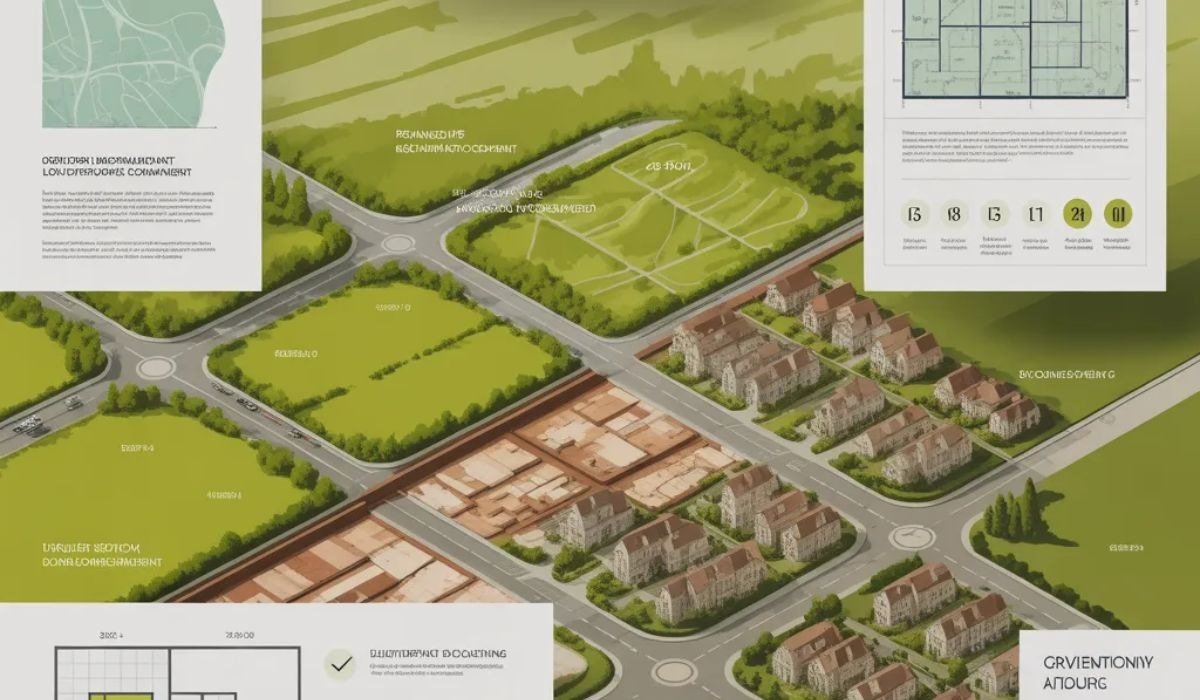
In the United Kingdom, a land promotion agreement is a legally enforceable contract between a land promoter and a landowner specialist. The main aim is to obtain permission to plan and unleash the full potential of the land, which would otherwise have remained unutilised. Realistically, strategic land promoters bear the risk, cost, and complexity of the planning system in maintaining a balance between the interests of the landowner and the maximisation of the land value.
This is an in-depth guide to how a land promotion agreement operates, its main features, common terms, advantages and possible disadvantages, and the differences between it and other arrangements, such as an option agreement or a conditional land sale.
What is the meaning of Land Promotion?
Land promotion is the process of identifying land for development in accordance with the relevant planning authority, preparing and filing planning applications, obtaining planning consent, and subsequently marketing or selling the land after planning permission has been granted. Promotion of land is not a physical construction; it aims to increase the value of the land by obtaining planning permission for a viable scheme of development.
This is done through a land promotion agreement that formalises the work and the distribution of financial gains between the promoter and the landowner.
Who Needs a Land Promotion Agreement?
The land promotion deals are suitable for:
- The owners of agricultural, greenfield, or brownfield land have development potential but lack the expertise or resources to navigate UK planning processes.
- Estates and farmers who have excess land.
- Organisations and charities with land properties.
- Individuals who are interested in land as individuals, who want to maximise the value of land without an initial outlay and risk associated with planning applications.
In this arrangement, the landowner retains ownership of the land throughout the process, while the promoter funds and manages planning and promotional activities.
How Does a Land Promotion Agreement Work? – Step‑By‑Step
Preliminary Evaluation and Bargaining
The promoter evaluates the land for development. This involves assessment of the planning policy, site conditions, and local market needs.
Drafting the Agreement
A legally binding contract is written and contains important issues, such as:
- Duration of promotion period
- Obligation of the promoter to secure planning consent
- How the proceeds of the sale will be shared
- Reporting requirements and milestones for planning submissions
Promotion in the Process of Planning
The landowner has his promoter make planning applications. It can entail outline planning permission or local plan designation. Reports on technology, surveys, design consultations, and planning representations are drawn.
Obtaining Planning Permission
As soon as outline or full planning consent is obtained, the land gains a high value.
Marketing the Site
The site is sold out in the open market to developers and housebuilders. Developers are usually very keen on the land price once planning consent has been granted.
Sale and Profit Sharing
The net proceeds are divided between the promoter and the landowner upon a successful sale, in accordance with the agreed contract. Promoters get a pre-agreed percentage of the uplift.
This method aligns incentives, as the promoter’s reward is directly proportional to the success of the planning application and the land’s value at the end of the day.
What Should a Land Promotion Agreement Include?
A properly planned land promotion deal usually contains:
- Agreement fee: This is a thank-you check for the landowner to sign.
- Promotion period– a definite period for planning permission.
- Planning objectives – types of development planning and scheme goals.
- Marketing strategy – the manner and time at which the land will be sold.
- Reporting requirements – frequent reporting to the landowner.
- Costs and expenses – these are usually paid by the promoter, not the landowner.
- Legal and survey requirements – technical planning requirements and required due diligence.
These components safeguard the two and define expectations for the project life cycle.
Promotion Agreement vs Option Agreement – What’s the Difference?
A land promotion agreement should not be confused with an option agreement, but is different in a number of ways:
- Risk and cost – In a promotion agreement, the promoter funds planning costs. In an option agreement, the landowner may be obliged to sell at a later date at a price set early on, potentially missing out on value uplift.
- Timing of sale – Promotion agreements enable land to be promoted to the open market with planning permission, thus maximising value. Options typically involve fixing the option price at an early stage, which will not favour landowners if the option agreement increases substantially in value.
Why Are Land Promotion Agreements Valuable?
Strategically, it has a number of advantages:
Value Maximisation
Land value is magnified many times with planning permission. A promotion agreement will allow the landowners to take advantage of this uplift without necessarily investing in the planning process itself.
No Upfront Costs for Landowners
The promoter usually pays for technical studies, planning fees, legal costs, and promotional work, as this removes financial risk.
Aligned Interests
The promoter of the land would only receive an incentive once planning permission is granted and the land is sold, aligning the promoter’s interests with those of the landowner.
Expertise and Network
The existing promoters are well-informed about planning policy, technical submissions, and contacts with housebuilders and developers, giving them better opportunities to excel.
Why Choose a Specialist Land Promoter?
Specialist promoters, including existing UK land promotion companies, bring extensive experience, regional planning expertise, and a proven track record of obtaining planning permissions efficiently. They have gained experience with complex planning structures, including local plan designations, Section 106 agreements, and viability tests, which provide confidence and deliver optimal outcomes for landowners.
They are also the reliable go-between for housebuilders and developers after consent to a plan is obtained, and the sales process remains competitive.
Conclusion – Strategic Land Promotion and Your Land Value
A land promotion agreement is an established and effective way for landowners in the UK to unlock development value at no cost, without direct planning expertise. By collaborating with specialty land promoters, landowners can avoid the intricacies of the planning process and achieve significantly higher returns on their land holdings.
Being knowledgeable about the structure, benefits, and obligations of the agreement would enable landowners to make informed decisions based on their goals and risk tolerance.
