


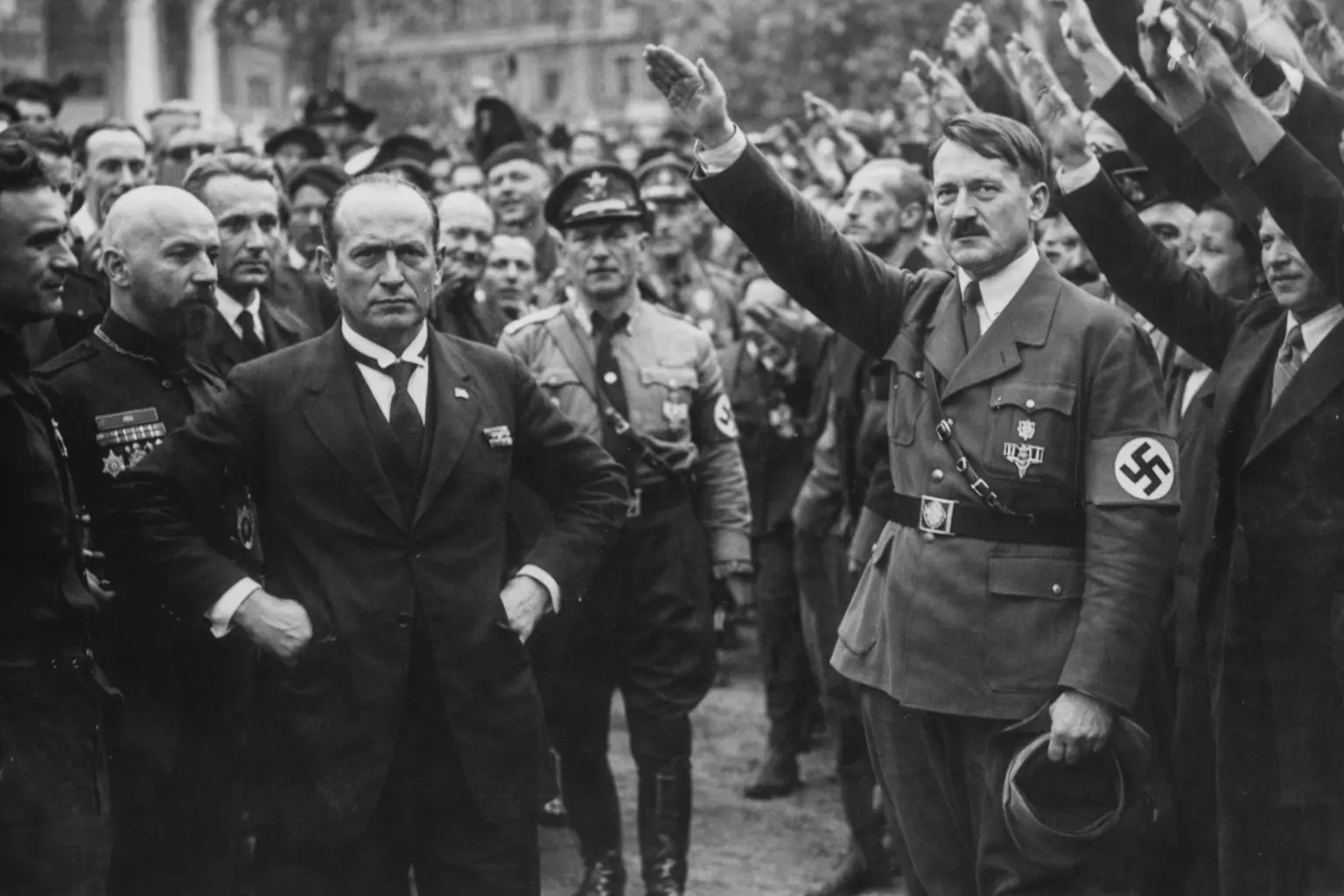
The term fascisterne is deeply connected to European political history and carries strong historical and social meaning. It is often used when discussing authoritarian movements, political extremism, and the lessons learned from the twentieth century. While the word itself belongs to Scandinavian languages, the ideas behind it extend far beyond one region. Understanding fascisterne helps readers make sense of how certain ideologies gained influence, how societies reacted to them, and why these discussions remain relevant today. This article explores the concept in a clear, factual, and accessible way, focusing on history, ideology, and long-term consequences.
Meaning and language background of fascisterne
Fascisterne is a plural term that translates to “the fascists.” It refers to individuals or groups associated with fascist ideology. The word is commonly used in Danish and related Scandinavian contexts, especially in historical and political discussions. Although it may sound like a modern label, its roots are firmly planted in the political movements of the early twentieth century.
Language often reflects collective experience, and fascisterne is no exception. Over time, the term became more than a neutral description. It absorbed the moral judgments and historical memories linked to fascist movements, making it a powerful word in both academic writing and public debate.
Origins of fascist ideology
To fully understand fascisterne, it is important to look at the origins of fascism itself. Fascism emerged after World War I during a period of economic hardship, political instability, and social unrest. Many people felt that traditional democratic systems were weak or ineffective, creating space for radical alternatives.
Fascist ideology promoted national unity, strong leadership, and loyalty to the state above individual freedoms. It rejected political pluralism and encouraged obedience and discipline. These ideas appealed to those who desired order and national pride during uncertain times. Movements inspired by fascism spread across Europe, influencing political life in several countries.
Fascisterne in a Scandinavian historical context
In Scandinavia, fascisterne generally referred to smaller political groups or individuals who supported or sympathized with fascist ideas. These movements never reached the same level of power as in some other European nations, but they still influenced political conversations and public opinion.
During World War II, the term fascisterne became closely associated with collaboration and authoritarian sympathies. In occupied countries, people labeled as fascisterne were often seen as opposing democratic values and national independence. This historical memory continues to shape how the term is understood today.
Key beliefs associated with fascisterne
Several core beliefs are commonly linked to fascisterne. One of the most prominent is extreme nationalism, which places the nation above all else. This nationalism often defined identity in narrow terms, leading to exclusion and discrimination against those seen as outsiders.
Another central belief was authoritarian rule. Fascisterne typically supported strong leaders who claimed to act in the nation’s interest while limiting political opposition and civil liberties. Militarism and acceptance of violence were also present, reinforcing the idea that conflict was a natural path to national strength and unity.
Cultural and social influence
The impact of fascisterne was not limited to government policies. Fascist ideology sought to influence education, culture, and daily life. Schools, media, and cultural institutions were often used to promote loyalty and discourage independent thinking.
In societies affected by these ideas, fear and conformity became common experiences. People learned to avoid expressing dissenting opinions, and creativity was often restricted by ideological boundaries. Even after fascist movements declined, these social effects remained visible for years.
Fascisterne during World War II
World War II marked the most destructive period associated with fascist ideology. Fascisterne were linked to systems that promoted aggression, occupation, and repression. The war revealed the consequences of unchecked authoritarian power and extreme nationalism on a global scale.
In many countries, fascisterne were viewed as collaborators who supported oppressive regimes. After the war, this association led to legal consequences, social exclusion, and lasting stigma. The memory of this period plays a major role in how fascisterne is discussed in modern times.
Postwar rejection and democratic values
After World War II, European societies made deliberate efforts to reject fascist ideology. The term fascisterne became a reminder of what can happen when democratic institutions fail and extremist ideas go unchallenged.
New political systems emphasized human rights, accountability, and international cooperation. Education focused on historical awareness and critical thinking to prevent the return of authoritarian movements. These efforts highlight the lasting influence of fascisterne on political development and social values.
Modern use of the term fascisterne
Today, fascisterne appears in academic writing, journalism, and political debate. In historical contexts, it refers clearly to supporters of fascist ideology. In everyday language, it is sometimes used more loosely to criticize authoritarian behavior or extreme nationalism.
This broader usage can be controversial. Some argue that it risks weakening the historical meaning of the term, while others believe it keeps public attention focused on the dangers of authoritarianism. Regardless of viewpoint, the continued use of fascisterne shows its lasting relevance.
Why understanding fascisterne matters today
Studying fascisterne helps readers recognize patterns that can appear during times of crisis, such as scapegoating, erosion of democratic norms, and the appeal of simple solutions to complex problems. Fascist movements gained support not only through force but also through persuasion and fear.
By learning about fascisterne, individuals can better understand how political extremism develops and how it can be resisted. Historical knowledge strengthens civic awareness and encourages informed participation in society.
Ethical lessons from history
One of the strongest lessons connected to fascisterne is the importance of individual responsibility. History shows that silence and conformity can allow harmful ideas to grow, while critical thinking and moral courage can make a difference.
Remembering fascisterne honors those who resisted authoritarian systems and suffered under them. It reinforces the importance of protecting freedom, dignity, and open dialogue in modern societies.
Conclusion
Fascisterne represents a critical chapter in modern history, shaped by ideology, conflict, and social change. Understanding its meaning and impact helps readers see how political ideas influence societies over time. By examining fascisterne with clarity and honesty, we gain valuable insight into the past and strengthen our ability to protect democratic principles in the future.
Frequently Asked Questions
What does fascisterne mean?
Fascisterne means “the fascists” and refers to people or groups associated with fascist ideology.
Is fascisterne only a historical term?
It mainly describes historical movements, but it is also used today in political and social discussions.
Why does fascisterne have a negative meaning?
The term is linked to authoritarian rule, repression, and the destructive consequences of fascist systems.
Did fascisterne have strong influence in Scandinavia?
Their influence was limited compared to other regions, but they played a role in historical debates.
Why is fascisterne still discussed today?
It serves as a reminder of the dangers of extremism and the importance of democratic values.
You May Like: Unlocking the Power of Oncepik: A Complete Guide for Creators and Teams
